
Written by Munna Aziz Chowdhury, MBBS final year student.
It is a fantastic topic to discuss. We all hear the word antibiotic but most of us do not know its mechanism of action, positive and negative effect on our body – health, so I am by the blog trying to discuss all these important aspect about antibiotic.
Antibiotic is a miracle of medical science, it’s open a new era of medical science. Before antibiotic there are many diseases that are not treated, causes very harmful worldwide disruption throughout many decades, after invention of antibiotic It’s become very easy to treat such kind of disease.
Table of Contents
What is antibiotic?
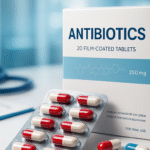
Antibiotics are those medications that are used to treat bacterial infection by killing or inhibiting their growth.
The only act on bacteria not virus, a very crucial point to remember as a doctor because many quack doctor’s antibiotic in very common type of disease like fever most of the fever are originated from virus we have known as viral fever, some doctor gives antibiotics against these diseases that lead to ultimate use of antibiotic, it may lead to Antibiotics resistance. Overuse of antibiotics one of the important causes of antibiotic resistance, I will discuss this subtopic below my article.
Mechanism of action
- Inhibition of cell wall synthesis; ex- penicillin and cephalosporins.
- Inhibition of protein synthesis, ex – Tetracycline, Macrolide (Azithromycin, clarithromycin), amino glycoside.
- Inhibitor of nucleic acid synthesis- Rifampicin.
- Anti metabolite- sulfonamides, trimethoprim.
Spectrum of antibiotics
Broad spectrum antibiotics are those act a wide range of bacteria are known as broad spectrum antibiotic like amoxicillin& tetracycline.
Narrow spectrum antibiotics against specific bacteria like penicillin G.
Positive Effect on health
- Treat bacterial infection
Antibiotics have a mechanism that I discuss above. Different antibiotics have different mood of action some of them target specifically bacterial structure or functions such as-
- Inhibit cell wall synthesis- penicillin target peptidoglycan.
- Inhibit protein synthesis- tetracycline bind to bacterial ribosomes.
- Inhibit DNA replication- fluoroquinolones inhibit DNA gyrase.
2. Prevent infection during surgery
Generally prophylactic antibiotic are given before surgery to prevent infection after surgery.
Example Cefazolin gives before surgery it prevents bacterial colonization.
3. Reduce mortality rate
Before the era of antibiotics are starting there are many common instructions that are often fatal to us now, it become very easy to treat for example pneumonia, tuberculosis, sore throat were often fatal. Antibiotics drastically reduce the mortality rate by-
- preventing the Spread of sepsis.
- Effectively treating respiratory and GI infection.
- Promote recovery from Disease that want had no cure.
Example- Use of Penicillin started in 1940s reduced mortality from bacterial pneumonia by 80%.
Is this article helpful?
4. Make safer for Other medical procedure
Antibiotics support procedures that weaken body immune response such as:
- Chemotherapy
- Organ transplants
- Dialysis
5. Control contagious Diseases
Antibiotics Decrease Bacterial Loads. Decrease the transmission of the disease. It has a public health importance by decreasing the burden of the diseases. Example- TB & Meningitis.
Negative effect on health
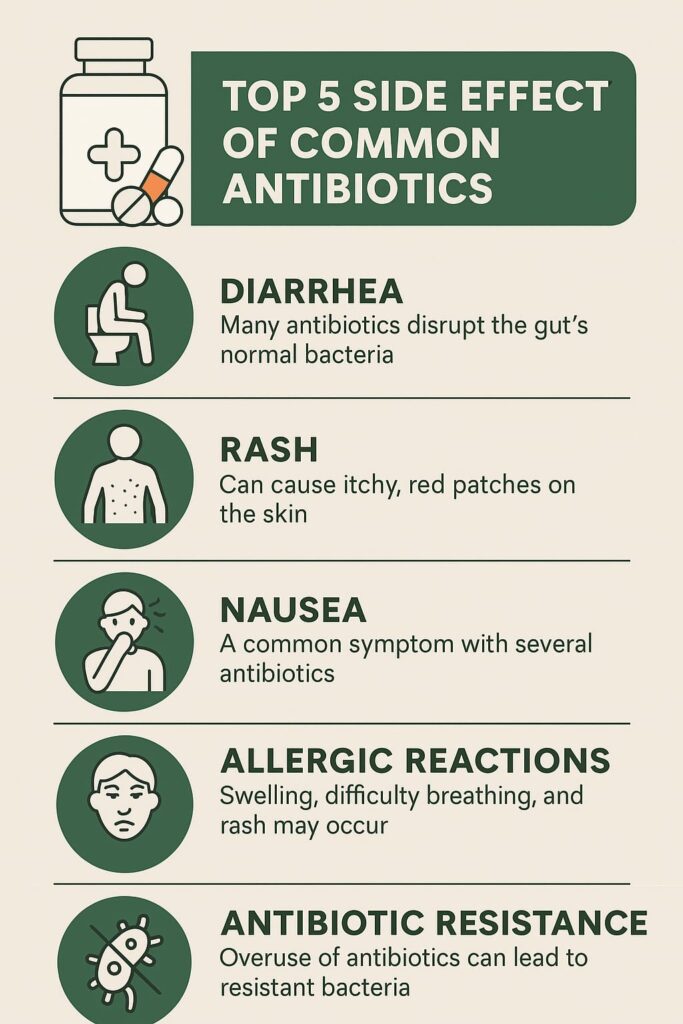
Although antibiotics Have saved us from countless number of diseases. Overuse, even appropriate use of antibiotics may lead to some kind of side effects in the health of the patients or even in the environmental.
There are many causes, In this context, I will discuss some of them –
1. Antibiotics resistance a global concern
Bacteria have a special mechanism to evolve against antibiotics; they mutate their protein to make a different strain bacteria and these different strains are become resistant to the antibiotic due to frequent use of antibiotic or low dose of antibodies without completing the whole courses. These resistant strains survive and multiply rendering standard antibiotic ineffective.
Example – MRSA (Methicillin resistant staphylococcus aureus), XDR-TB (Extensively drug resistance tuberculosis).
- Some bacteria produce enzyme Beta lactamase that breakdown antibiotic (penicillin)
- Some Bacteria pump out the antibiotic from their cells
- Some have ability to modify their target of action on that antibiotic act.
2. Disruption of gut microbiome
Broad spectrum antibiotic not generally affect only the harmful bacteria but also the good bacteria present in our gut. And this lead to microbial imbalance known as dysbiosis, Can lead to –
- Bloating, diarrhoea, constipation
- Weekending immune system
- Increase risk of chronic disease
Ex – Clindamycin lead to over growth of Clostridium deficit causing severe diarrhoea.
3. Allergic reaction
These range from mile rashes to anaphylaxis, a life threatening condition.
Common side effect include-
- Nausea and vomiting
- Diarrhoea
- Skin rashes
4. Misuse and Overprescription in Healthcare
Viral infection like – common cold or flu, doctor prescribe antibiotics. Despite antibiotics being ineffective against viruses. This misuse
- Provides no benefits to patients
- Can increase the risk of resistance
- Wastes healthcare resources
According to WHO, at least 50% of all antibiotics worldwide are used inappropriately.
5. Impact on Children and Long Term Health
For children, their microbiomes are still developing. Early antibiotics use can disrupt this process, potentially leading to
- Allergies
- Asthma
- Obesity
- Autoimmune conditions
6. Permanent Tooth Discoloration in Children
Age under 8, Tetracyclines (like Doxycycline) can permanently stain children’s teeth.
7. Heart Rhythm Problems
Antibiotics like – Azithromycin can cause QT prolongation, increase the risk of sudden cardiac arrest in sensitive people.
8. Severe Reaction With Alcohol
If consume alcohol, Metronidazole (Metrogyl) can cause nausea, vomiting and cramps.
Reference: WHO Report on AMR
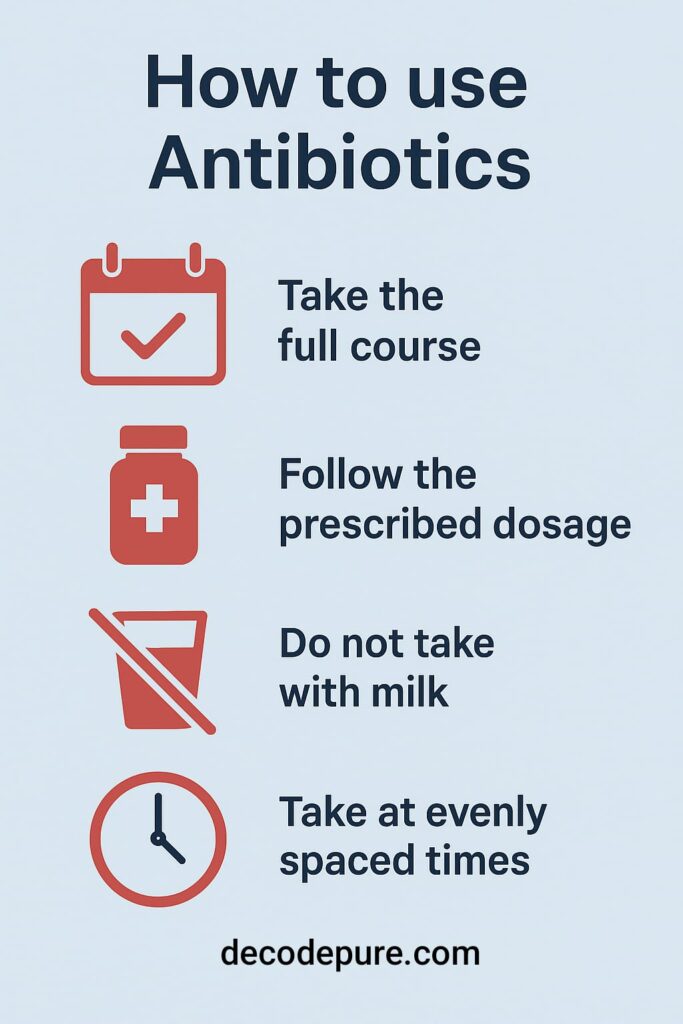
How to Use Antibiotic Safely
1. Always consult with qualified Doctor
2. Never self-medicate or share antibiotics
3. Complete the full course, even if symptoms improve.
4. Avoid leftover medication from past illness
5. Always keep antibiotics away from children.
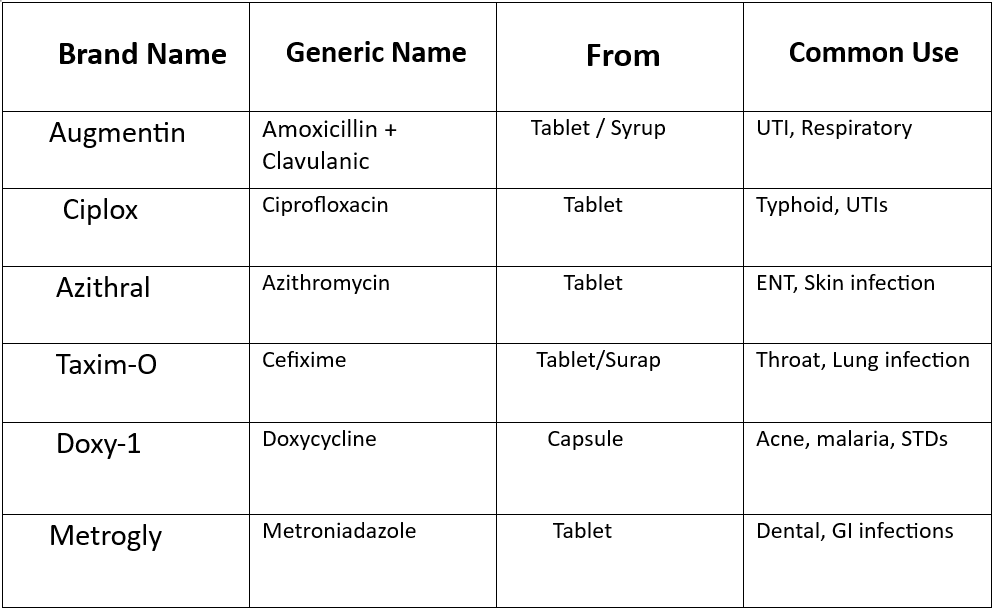
Common Antibiotics in Indian Market
Conclusion
Misuse today can lead to resistance tomorrow. Antibiotic can save life, but only when used wisely. Avoid self-medication, complete the full course and never use for viral infections.
Read More: From Desi Cow to Market: Has Your Milk Lost It’s Purity?
Q. Do antibiotics work on virus?
No, antibiotics work on bacterial infections.
Q. Can I stop taking after feeling better?
No, always complete full course prescribed.
Q. What is broad & narrow spectrum antibiotic?
Broad spectrum works on multiples type bacteria.
Narrow spectrum works on specific types of bacteria.
Q. What is antibiotic resistance & why is it dangerous?
When bacteria evolve and antibiotics can no acts against it. Become more harder to kill them.
Q. Can antibiotics take with alcohol?
Some have bad effects, always consult a doctor.
Q. What happens if you skip a dose?
Take soon as remember, it’s almost time for next dose. Never double up.
Q. Are all antibiotics safe in pregnancy?
Some but not All. Always consult a doctor.

I’m Mehebub Alam Chowdhury, an M.Sc. Organic Chemistry student, and my mission with Decodepure is to simplify complex chemical ingredients in everyday products. With my knowledge of chemicals, I aim to help you make safer, healthier choices by breaking down product labels in an easy-to-understand way.