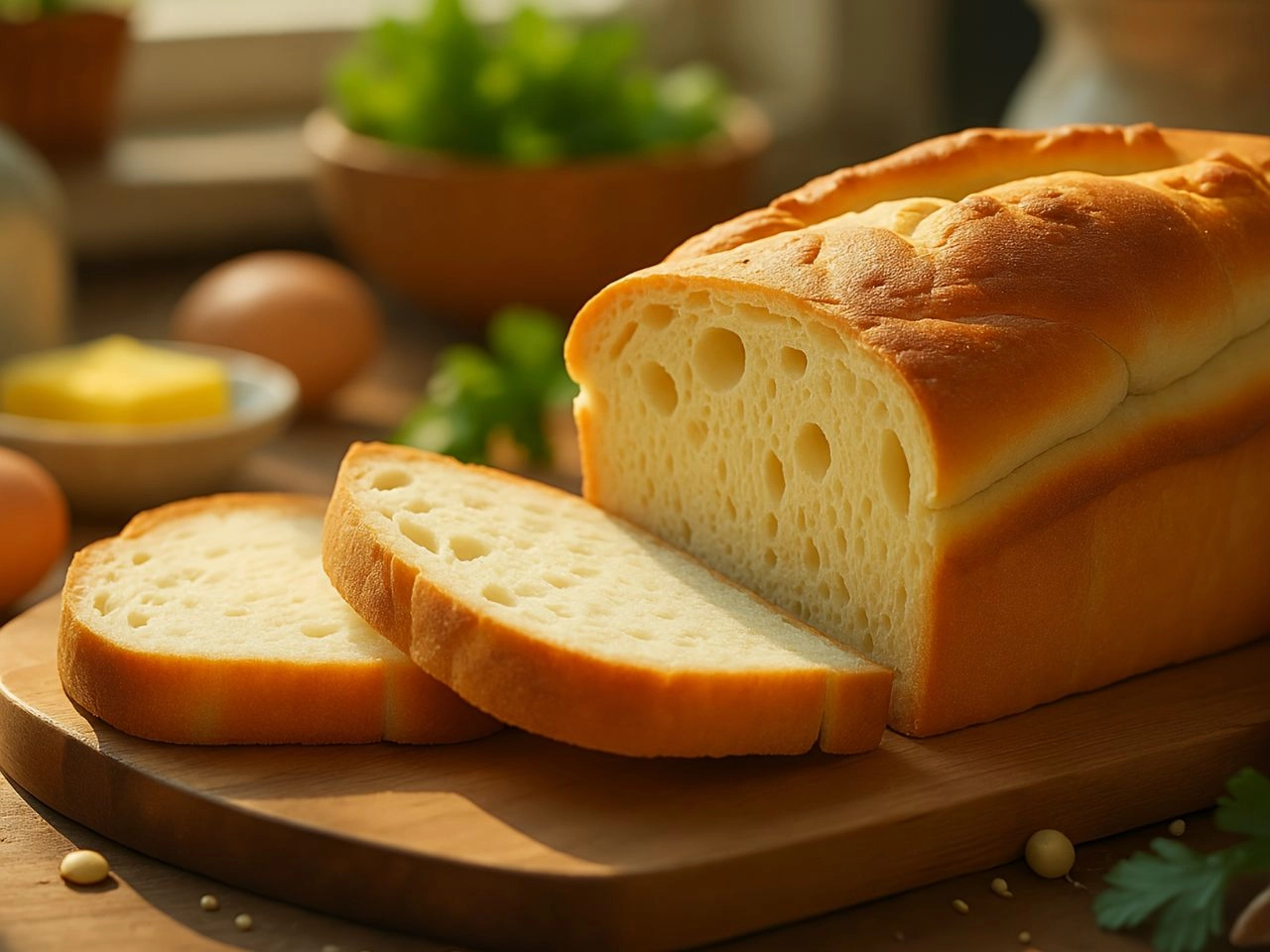
Bread is a dietary staple worldwide. Most of us, when admitted to a hospital, see one common food item among them all—that is, bread. We eat bread as a healthy food alternative; it’s served with milk for breakfast, toasted during fevers, or used as a soft, easy-to-digest substitute for roti when someone is unwell. But most commercial varieties hide alarming ingredients linked with various health issues.
It’s time to decode the truth, In this blog post we will decode all the ingredients and it’s health impact.
Table of Contents
Ingredients matter
As a common man, we have no alternative way to verify which product is harmful and which is not. Only the ingredient list can help us in this regard. There is no other way.
So, before buying anything, be sure to check the ingredients list.
Most common ingredients
1. Refined Wheat Flour (Maida)
The main ingredient used in high volume for structure.
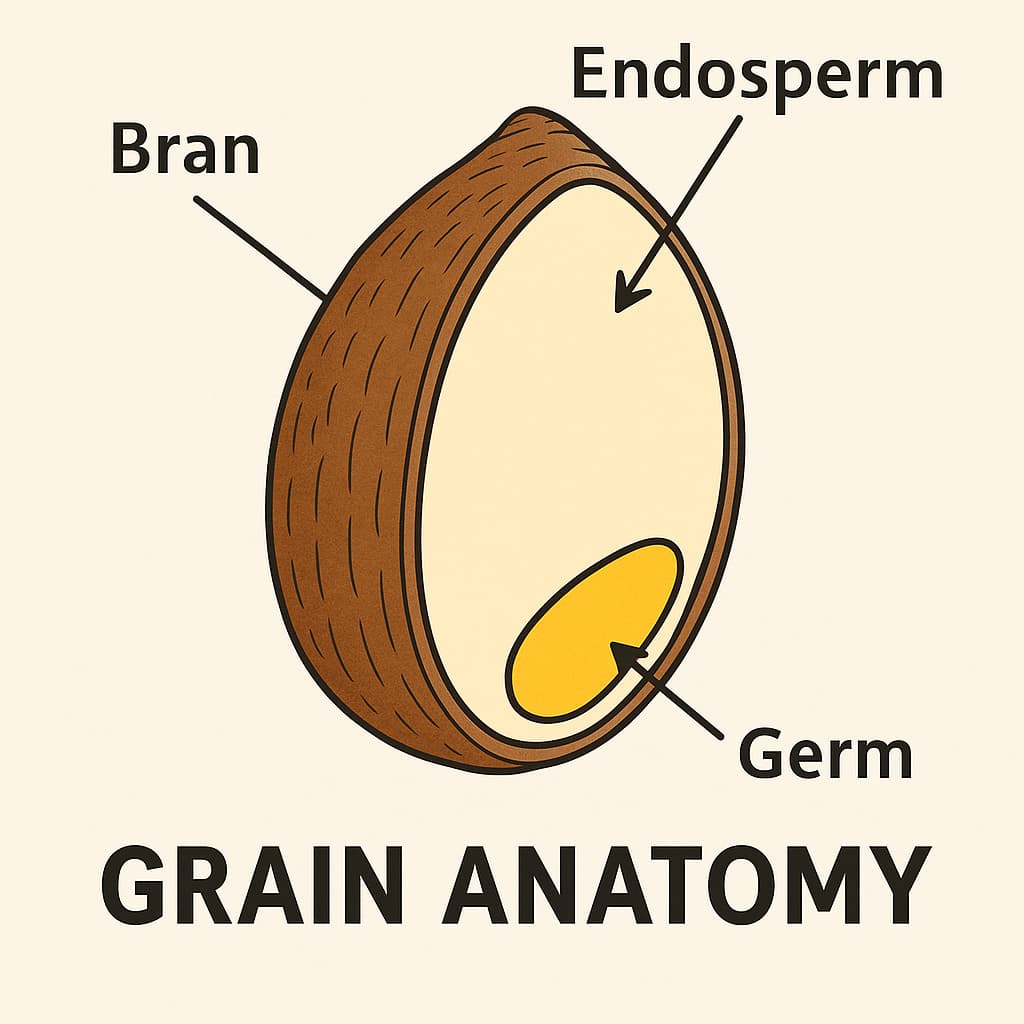
Maida made by separating bran (nutrients powerhouse e.g. Vitamins, minerals & fiber) and germ from wheat grain and to make it white used chlorine & benzoyl peroxide.
Due to lack of fiber (Zero Fiber), it can slow our digestion and when mixed with water it’s sticky ……. also called “Glu for the gut”.
For long term consume, it can cause digestive problem, spikes blood sugar level, insulin resistance, weight gain and obesity, increase risk of chronic disease etc.
2. Preservatives – Calcium Propionate (E282)
Preservatives mostly used in bread to prevent mold and bacterial growth. Extends self life.
Bad for children, can cause behavioral issue, irritability, inattention and sleep disturbance in some, also linked to gut irritation and headache.
preservatives 281, 282, 283 are salts of propionic acids. 282 has already been banned in many countries, but it is still being used by Britannia, English oven and harvest gold.
Reference: NIH – Controlled trial of cumulative behavioral effects of a common bread preservative
3. Added Sugar
Generally used for enhancing taste. Added sugar means, sugar added separately (not natural sugar).
According American Heart Association – “Too much Sugar is not sweet for your Health”.
For long-term excessive sugar consumption can lead weight gain, tooth decay, raises blood pressure and insulin level, joints pain, skin aging, liver damage, Type 2 diabetes, pancreatic breakdown, kidney failure, Heart attack risk increase.
4. Emulsifiers – mono and diglycerides (E471) & Salt
Emulsifiers are generally based on vegetable oil. Mostly used to provide dough stability in addition to improving loaf volume and crumb structure and it maintaining softness.
Emulsifiers and salt both contain sodium, intake excess amount of sodium can cause high blood pressure, heart disease and stroke like problem. Bread is among the top sources of hidden sodium, even more than salty snacks in some cases.
Recommended daily sodium intake
WHO (World Health Organisation):
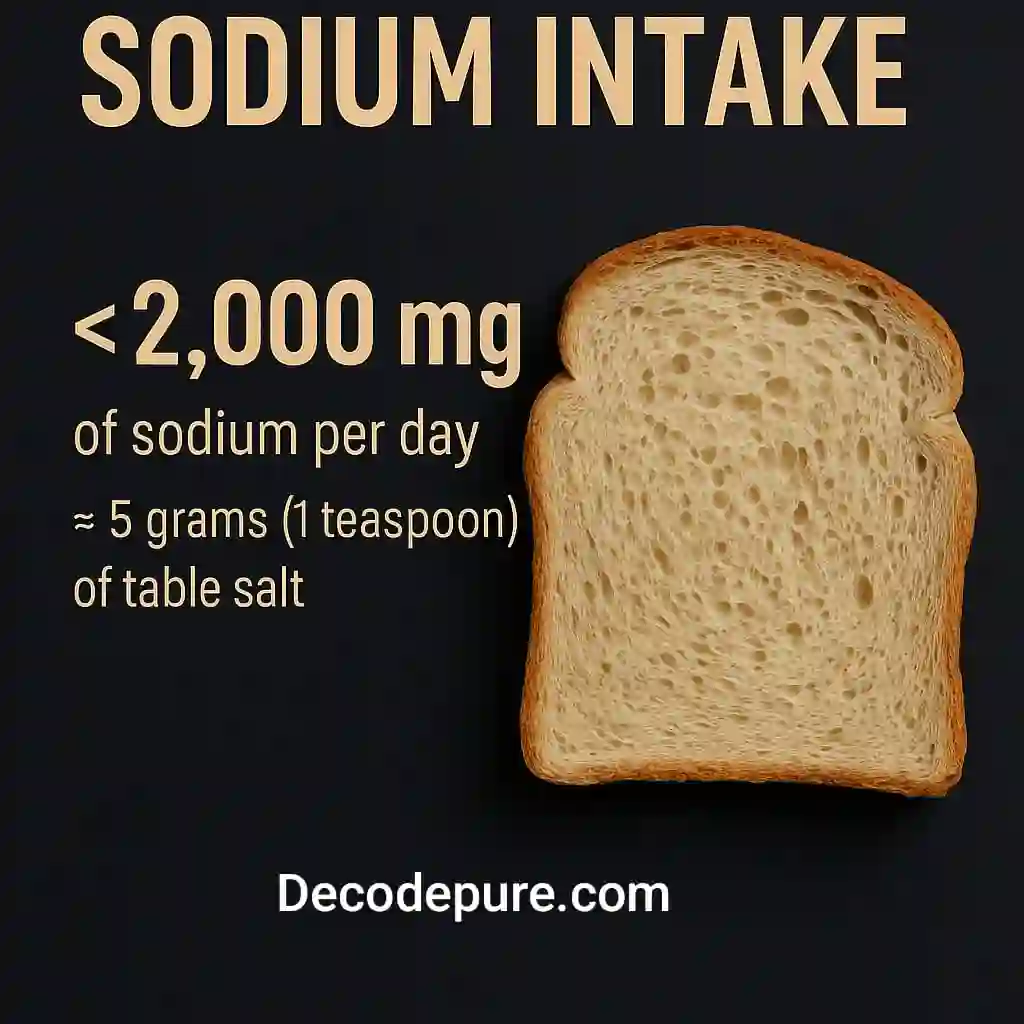
Less than 2,000 mg (2gm) of sodium per day.
U.S. Guidelines (FDA / CDC):
Less than 2,300 mg of sodium per day for adults. Ideal intake for those with hypertension, kidney disease or heart problem, 1500 mg/day.
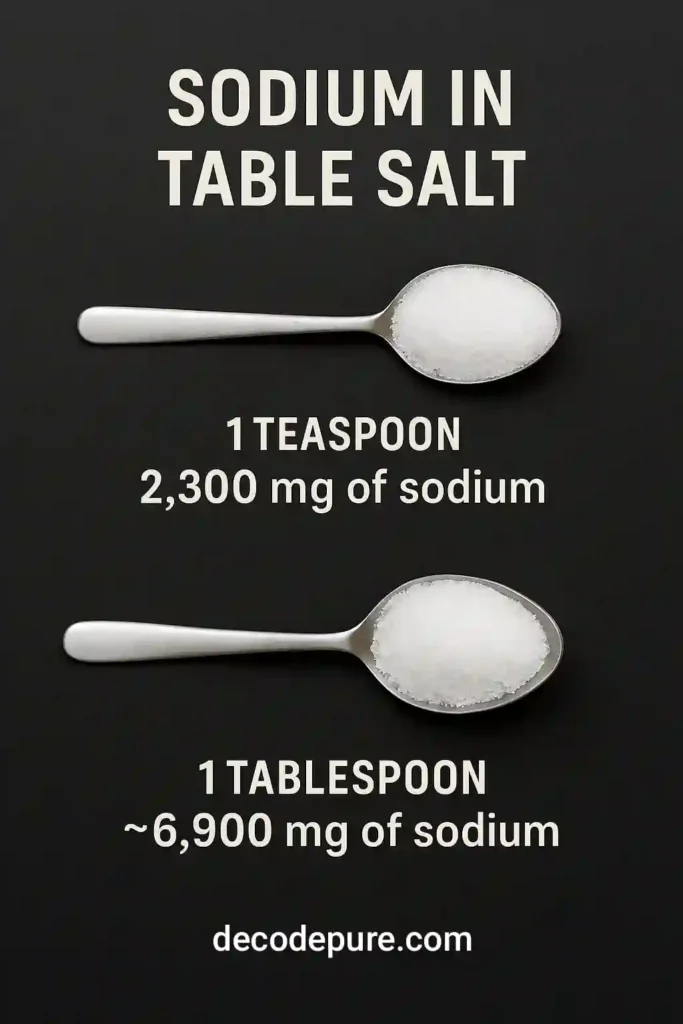
1 teaspoon of table salt ≈ 2300 mg of sodium
1 tablespoon of table salt ≈ 6,900 mg of sodium
Table salt is ≈ 40% sodium by weight, the rest is chloride.
Note – Emulsifiers 471 and 472E are controversial as their source may be animals.
5. Potassium Bromate
Used as Dough conditioner for faster rising and strengthens dough.
Potassium bromate – Classified as a possible human carcinogen by WHO. Banned in EU, Canada, China; still allowed in India.
Reference: Potassium bromate: 50 years of research shows serious health risks
6. Vegetable oil (Soy, Plam, Canola)
Used for softness and moisture, extend freshness; cheap fat source.
High in Omega-6 fat – chronic inflammation.
Eating too much saturated fat (palm oil) can raise bad cholesterol (LDL) in blood. High LDL level increase the heart disease and stroke risk.
Reference: Harvard Medical School
7. Artificial colours and flavours
Generally used to enhances taste and makes bread visually appealing.
Artificial colours generally linked to hyperactivity and allergic reaction.
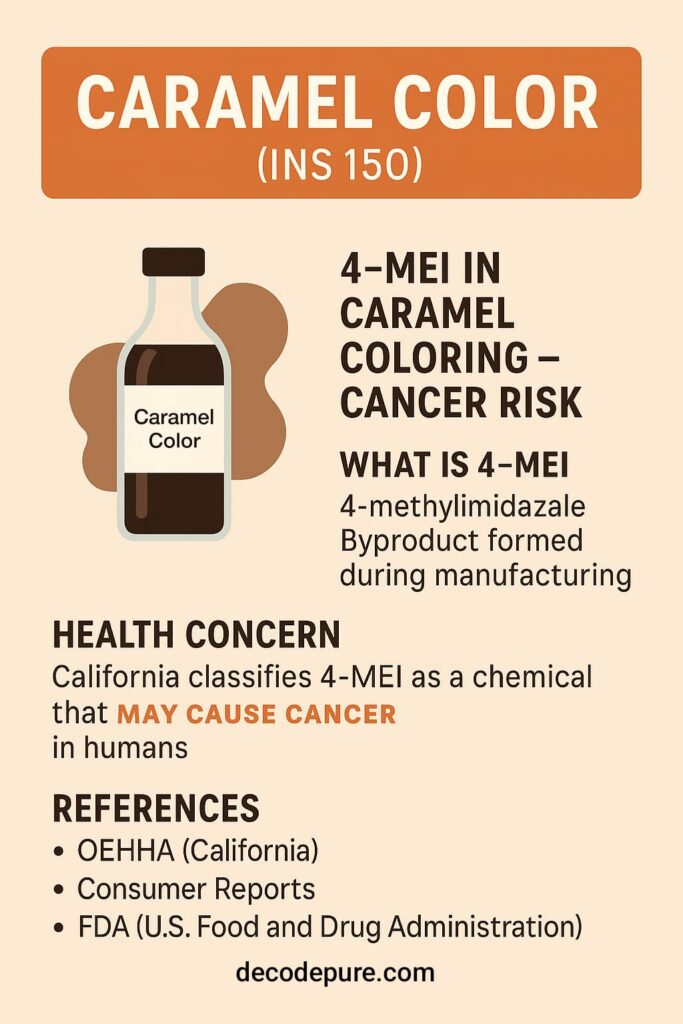
8. Caramel Color (INS150d)
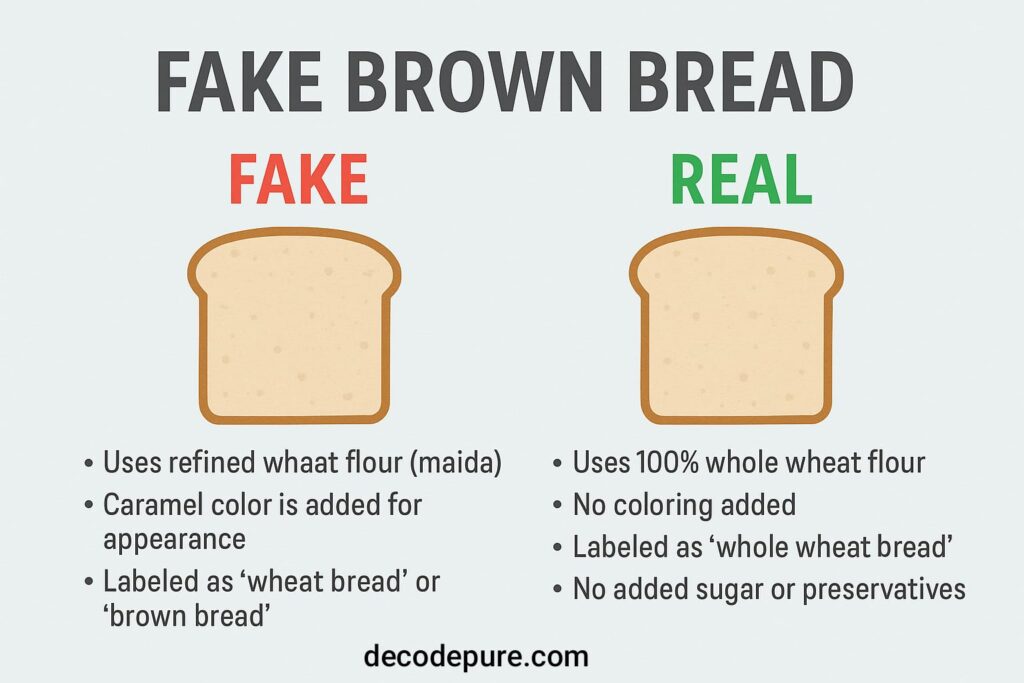
Mostly used in brown bread. Added to mimic ‘whole wheat’ look without using actual whole wheat.
Caramel may contain 4-MEI, The international Agency for Research on Cancer (IARC) has classified 4-MEI as “possibly carcinogenic to humans.”
Reference: Source (OEHHA)
Types of Breads in Market
In Indian market (and globally), there are wide variety of breads – like, white Bread, brown bread, whole wheat bread, multigrain bread, gluten-free bread, milk bread, sandwich bread, artisan bread.
1. white bread
White bread generally made with refined wheat flour (maida), sugar, oil, salt, yeast, emulsifires and preservatives.
- Lack of fibre and high glycemic index – spikes blood sugar.
- Even contains potassium bromate (carcinogenic) and preservatives like calcium propionate (linked to behavioral issue).
Verdict: ❌ avoid, highly processed and nutritionally poor.
2. Brown bread
We all consider brown bread as healthy, but it depends on its making process. Mostly used Maida and Caramel colouring to make it look brown & healthy.
- Color ≠ nutrition
- Often misleading marketed
- Contains preservatives and refined flour.
Verdict: ❌ avoid Unless ingredients confirm it’s truly whole wheat.
3. Multigrain Bread
Multigrain bread generally made with white flour or wheat flour base with small amounts of other grains like oats,ragi, barley, corn etc.
4. Milk Bread
Maida, milk solid, sugar, oil, emulsifiers, artificial flavours are generally used to make milk bread.
- High in sugar
- Used emulsifiers make it soft and addictive texture
- Not suitable for children and diabetics.
Verdict: ❌ avoid.
Is this article helpful?
5. Sandwich/pan Bread
Generally used refined flour, sugar, oil, yeast, stabilizers preservatives (E282) and softness enhancers. Yu estimates
- Used emulsifiers may create gut problem
- Chemical additives increase self life
- Often contains hidden trans fats.
Verdict: ❌ avoid, industrially processed, and poor for long- term health.
Bread that healthy (if genuinely made)
1. Whole Wheat Bread
Whole Wheat Bread is rich in fiber, B vitamins, iron, antioxidants and supports in digestion, if made with 100% whole wheat flour without maida, preservatives, additives and colours like caramel etc.
So, look for 100% whole wheat flour (not enriched wheat folur).
2. Gluten free bread
Gluten is a substance that is responsible for ‘celiac disease’ – a severe disease of gut. It can be nutrient dense if made with whole grains (almond, buckwheat, quinoa).
Most of the processed Gluten free breads loaded with starch, gums and sugar – linked to spikes blood sugar.
So, at first read the ingredients list and look for – whole wheat flours (almond, oat, coconut, chickpea).
3. Sourdough bread
If naturally fermented (no commercial yeast), then it can be best option. Natural fermentation breaks down gluten, phytates that is helpful for improving digestion.
Before buying anything, must read the ingredient list and then make decision.
Why Companies Use Harmful chemicals?
Chemicals are not added with your health in mind -they are used to
- Maximise profit
- Prolong self-life
- Enhance texture and appeal
- Cut production costs
But they often come at the cost of Gut Health, hormonal balance and long-term wellness.
Popular Brands in Market
Popular brands like Britannia, harvest gold, modern foods, Bonn group, The health factory, Super Bread, La Americana, English Oven etc.
Most of the brands of bread available in the market, which claim to be healthy, it is not possible to discuss all the products. Hopefully, you can now verify them yourself whether they are healthy or unhealthy.
Download Free Pdf
How we are being fool?
Most of us buy something not because we understand them – but because we trust the fake promises, high quality advertisement by companies. Flashy visuals, bold promises like “whole wheat or Brown Bread,” or “High in Fibre,” and influencer endorsements often convince us to grab.
So, we have take responsibility ourself, try to gain knowledge of ingredients and yes, must ‘Read the Ingredients list at first’ before buying anything.
Read Labels like a pro
Order – Ingredients are arranged by volume of concentration( top 5 are main components, used by in high volume)
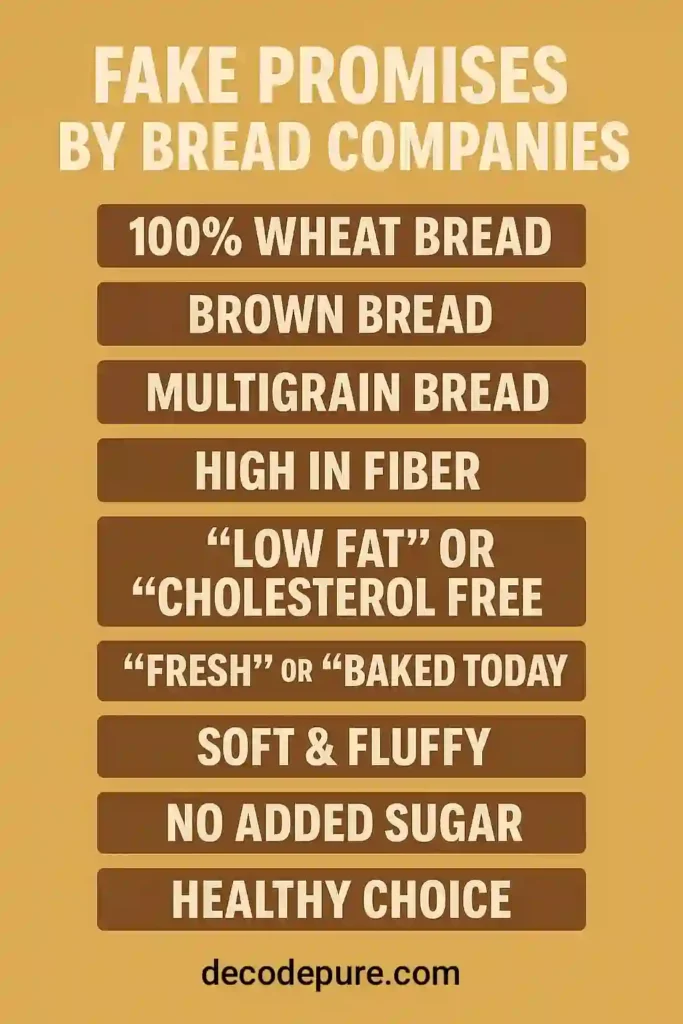
Don’t make fool marketing terms or fake promises by the companies like “whole wheat,” “Brown Bread,” “High in Fibre “Multigrain bread” or “Low Fat or Cholesterol free”, “Fresh or Baked today,” “Soft & Fluffy”, “No added Sugar,” “made with milk,” etc. Just because all levels are allowed to write doesn’t mean that, what is written is true.
What to do?
- Eat homemade bread (Roti)
- If you don’t have time – Before buying must read the ingredients list carefully and choose pure.
- ❌avoid bread, made with maida, caramel color, excess salt, preservatives, emulsifiers, potassium bromate etc.
- ✅ prefer 100% whole wheat bread.
Read More: From Desi Cow to Market: Has Your Milk Lost It’s Purity?
Conclusion
You deserve to know what you are putting on your body. Be smart, Choose pure.
I believe that buying anything shouldn’t be a guessing game. It’s time to we should start read labels and exploring healthier alternative.
I think now it’s very easy for you to identify. If I miss any ingredients? Whether you have a question, a suggestion, or just want to share your thoughts, feel free to reach out. I look forward to reading your messages.
Q. Is brown bread healthier than white bread?
Not always. Most commercial brown breads are just white bread colored with caramel (E150) — not truly whole grain. Always check the ingredient list for 100% whole wheat flour.
Q. What is the main harmful ingredient in market bread?
Common harmful ingredients include maida (refined flour), preservatives (like calcium propionate), dough conditioners, emulsifiers, and added sugar or color.

I’m Mehebub Alam Chowdhury, an M.Sc. Organic Chemistry student, and my mission with Decodepure is to simplify complex chemical ingredients in everyday products. With my knowledge of chemicals, I aim to help you make safer, healthier choices by breaking down product labels in an easy-to-understand way.