Hey everyone,
Let’s talk about one of the most successful marketing tricks in the Indian food industry: brown bread. If you walk into any supermarket, you’ll see rows of “Brown Bread” promising “Goodness of Wheat,” “High Fiber,” “Healthy Choice,” etc.
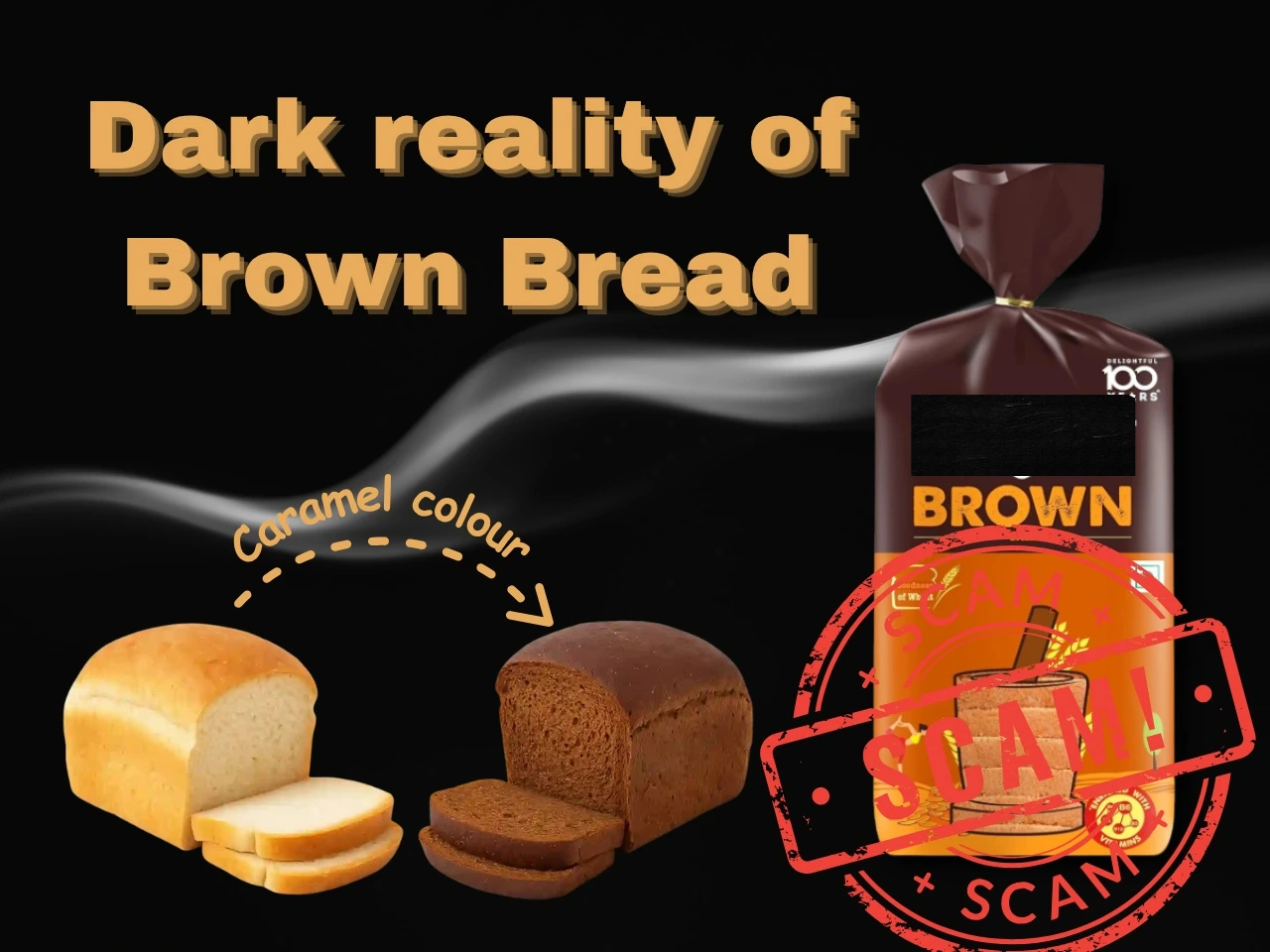
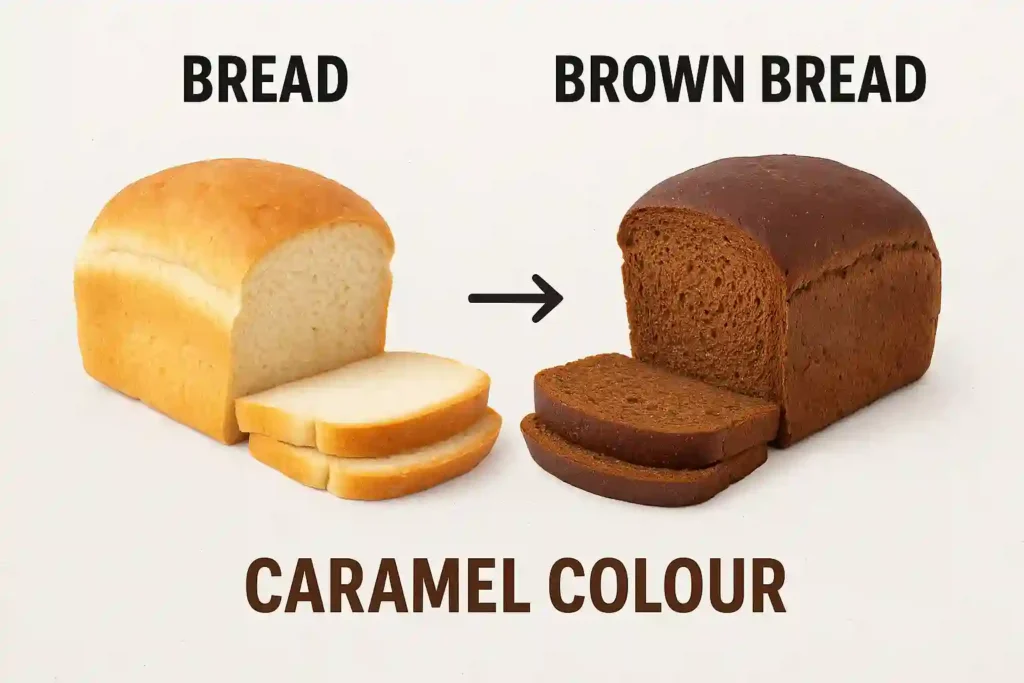
But wait, here’s the uncomfortable truth: most brown breads in India, including big brands like Britannia, are not truly whole wheat breads. It is mostly refined flour (Maida) with caramel color added to make it look brown. If you don’t believe me, then let’s look at the ingredients list.
Table of Contents
The Ingredients Breakdown
Here’s what the Britannia Brown Bread label reveals:
Water, Wheat Flour (Atta) (32.5%), Refined Wheat Flour (Maida), Yeast, Sugar, Vital Wheat Gluten, Iodized Salt, Refined Palmolein Oil, Preservatives (282 & 200), Color (150a), Emulsifier (472e), Acidity Regulator (260), Flour Treatment Agent (510), and Vitamins.
1. Wheat Flour (Atta)—32.5%
Sounds healthy, right? But notice the percentage—only 32.5% about one-third of the bread is made from whole wheat. The rest? It’s primarily refined wheat flour—Maida—the same ingredient used in white bread. Shocking, right? But wait, it’s not over here.
2. Refined Wheat Flour (Maida)
Now you are thinking, I came to buy brown bread, so why is maida used here, right? But the harsh truth is this is the main ingredient in most commercial brown breads—it’s just colored brown here.
Maida is stripped of its bran and germ, which means it’s stripped of almost all fiber, vitamins, and minerals. What remains is pure, simple starch. It spikes your blood sugar faster.
3. Refined Palmolein Oil
A cheap, industrially processed oil used for softness and moisture to extend freshness; a cheap fat source.
Eating too much saturated fat (palm oil) can raise bad cholesterol (LDL) in the blood. High LDL levels increase the heart disease and stroke risk.
Reference: Harvard Medical School
4. Color (150a) – Caramel Color
This is the smoke and mirrors of the bread industry. This is the “paint” that gives the Maida its rich brown colour.
Some caramel colours (especially 150c and 150d types) can contain 4-MEI, a compound linked to potential carcinogenic effects in animal studies.
Other ingredients I have already explained in this blog post; you may go for it—
Why Companies Do This
It’s simple economics and shelf life:
1. Cost: Refined flour is cheaper than whole wheat flour.
2. Texture: Maida creates softer, fluffier bread that consumers prefer.
3. Shelf Life: Products with refined flour and preservatives last longer.
4. Profit Margins: Lower ingredient costs + higher prices (brown bread costs 20-30% more than white) = bigger profits
What Should You Do?
How to Spot a Genuine Whole Wheat Bread
Don’t lose hope! Truly healthy bread exists. You just need to be a smart shopper. Here’s your checklist:
- At first read the ingredients list.
- Look for “100% Whole Wheat” or “100% Whole Grain” on the back of the package, not front side.
- Whole wheat flour as the first ingredient (ingredients are listed by weight)
- Minimal additives and preservatives
- At least 3-4 g of fiber per slice
Is this article helpful?
Bottom line
At the end of the day, the brown bread you trust as a healthy choice is nothing more than refined flour dressed up in a brown disguise.
But now you know the truth.
The power is back in your hands. Read the label. Not the front, where the marketing lives, but the back, where the facts are (sometimes reluctantly) printed.
Your health is worth those extra 10 seconds in the supermarket aisle.
Stay aware and eat well.
Q. Is brown bread really healthier than white bread?
Not always. Most commercial brown breads in India contain refined wheat flour (maida) and caramel colour to make them look healthy. True health benefits come only from 100% whole wheat bread, which has higher fibre and nutrients.
Q. What is the difference between brown bread and whole wheat bread?
Brown bread is made from refined flour and may contain added coloring, while whole wheat bread is made from whole grain wheat flour, retaining the bran and germ for more nutrients.
Q. Why do companies add caramel colour to brown bread?
Caramel colour (E150a) gives bread a brown, “whole-wheat-like” appearance without actually using whole grains. It’s a marketing trick to make bread look healthy and appeal to health-conscious consumers.
Q. Does brown bread contain maida?
Yes, most brown breads in India contain a large portion of maida (refined wheat flour) and only a small percentage of whole wheat flour (usually around 25–35%).
Q. Is caramel colour safe to eat?
While approved for use in food, caramel colour (especially Class III & IV) can contain compounds like 4-MEI, which may have potential health risks if consumed regularly. Natural whole-wheat colour is a safer, chemical-free alternative.
Q. How does maida affect your health?
Maida is a refined, low-fibre flour that spikes blood sugar, increases hunger quickly, and may lead to weight gain, insulin resistance, and poor gut health when eaten often.

I’m Mehebub Alam Chowdhury, an M.Sc. Organic Chemistry student, and my mission with Decodepure is to simplify complex chemical ingredients in everyday products. With my knowledge of chemicals, I aim to help you make safer, healthier choices by breaking down product labels in an easy-to-understand way.