
This article was written by Munna Aziz Chowdhury, MBBS final year student, Diamond Harbour Government Medical College & Hospital.
“Before having food, wash your hands”—a common piece of advice from your mother. After reading these articles, I am pretty sure you can realize how important the advice is. Let’s break up food poisoning, its consequences & prevention as well.
Food poisoning, a common health problem, is caused by contaminated, spoiled, and improperly prepared foods. While it can affect everyone, children and older individuals are more at risk. Children under five account for ~30% of foodborne deaths. Globally, 600 million people fall ill due to foodborne disease. You can realize how big the problem is. In India, 100 million cases have been reported annually. Certain everyday foods are likely to carry harmful bacteria, viruses, and parasites when proper handling is not maintained.
Unpasteurized milk and undercooked meat often harbor bacteria such as E. coli, Salmonella, and Listeria, which may be harmful for your body. Street foods, which are often a pleasure to have, are not good for your body and are frequently prepared with unclean water and often exposed to dust and flies. Leafy vegetables can retain dirt & pesticides if not properly washed.
For your own safety, practice effective kitchen hygiene. Always cook properly, use fresh foods, and practice handwashing before having food before it is too late. Prevention is better than cure. Also knowing which one needs the extra care.
Table of Contents
Food Poisoning—How Big Is the Problem?
Food poisoning is a foodborne illness due to the consumption of contaminated foods & drinks caused by harmful microorganisms like bacteria, viruses, & parasites or their toxins present in spoiled, undercooked, or improperly handled foods.
Globally, according to WHO
- 600 million cases of foodborne disease each year.
- Around 420,000 deaths due to food poisoning preventable.
- Children under 5 account for ~30% of deaths due to food poisoning.
In India
According to the Food Safety and Standards Authority of India (FSSAI), there are 100 million cases annually.
Foodborne infection may rise by ~30-40% during monsoon season due to overgrowth of bacteria.
Unsafe water, poor hygiene, and improper food storage are the leading causes.
Other statistics to remember
- In the US, food poisoning causes 128,000 hospitalizations and 3,000 deaths annually.
- Worldwide, unsafe food causes a loss of 33 million healthy life years, DALY, every year.
Who Is in More Danger?
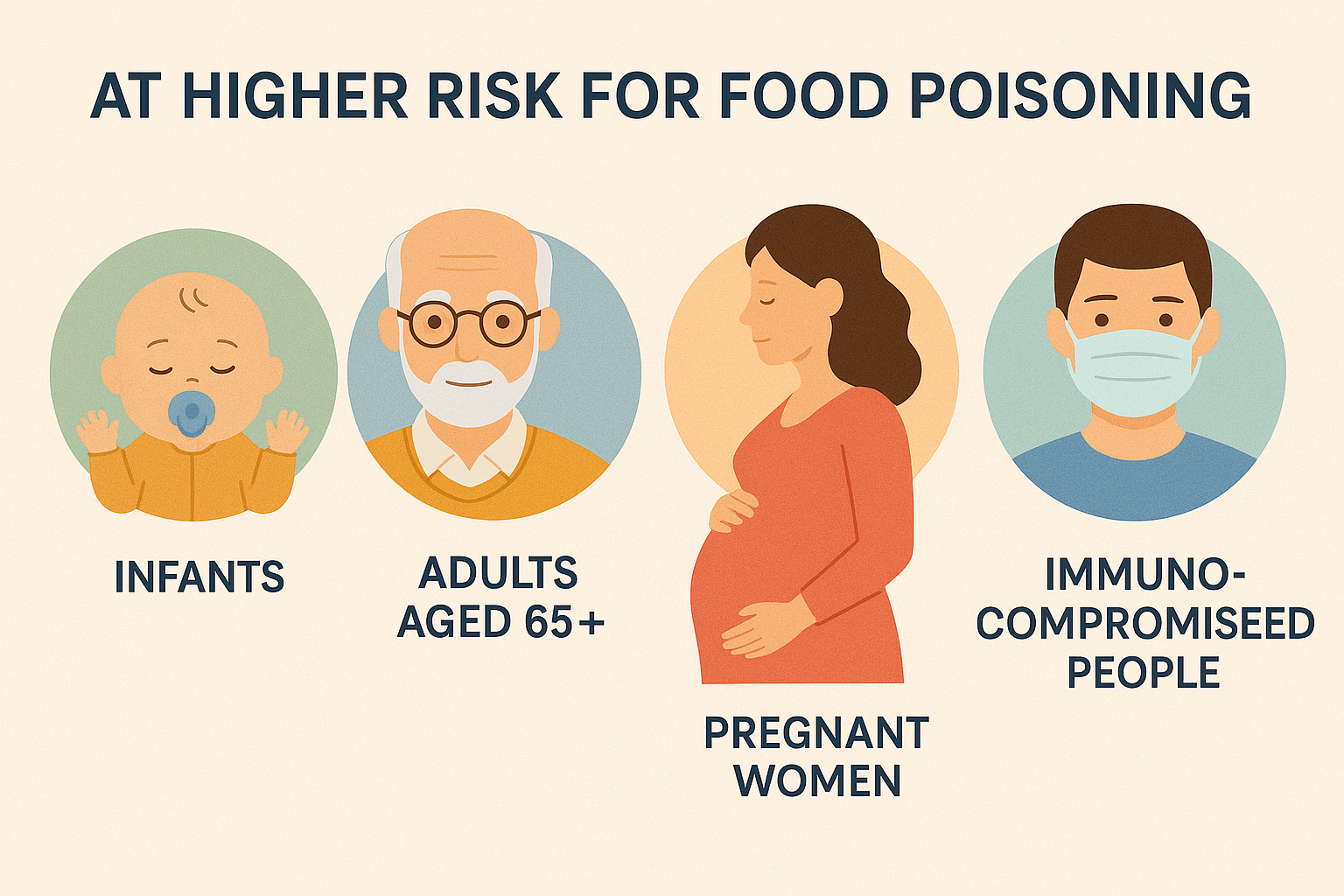
While food poisoning affects everyone, certain groups are more vulnerable to severe illness & complications. These are
1) Infants & Young Children
- Immature immunity makes them more prone.
- Dehydration happens faster in children.
2) Elderly Person—Age 65+
- Weak immunity and slower digestive response.
- More prone to develop complications like sepsis.
3) Pregnant Women
- Hormonal changes weaken the immune system.
- Listeria infections are common.
4) Weak Immunity
People with poor immunity, like AIDS/HIV patients, transplant recipients, cancer patients, and long-term steroid takers.
They have a high risk of severe infection & complications.
Causes and Risk Factors
The culprits behind food poisoning are
1) Bacteria—Salmonella, Listeria, E. coli, Campylobacter.
2) Viruses—hepatitis A, norovirus.
3) Parasites—Toxoplasma, Giardia.
4) Toxins—Botulinum Toxin of Clostridium botulinum, Stap aureus enterotoxins, Bacillus cereus Toxin, Mycotoxins, Ciguatoxin—Fish Toxin
5) Chemical—pesticides, food additives, or heavy metal contamination.
Risk Factors
1) Poor Food Hygiene—Unclean kitchen, contaminated utensils, dirty hands.
2) Street Food—Often exposed to dust.
3) Improper Food Storage—Lacking cool storage systems.
4) Eating expired or spoiled foods.
5) Contaminated Water—A big problem worldwide.
6) Undercooked or raw foods, especially meat and eggs.
10 Common Foods That Can Cause Food Poisoning
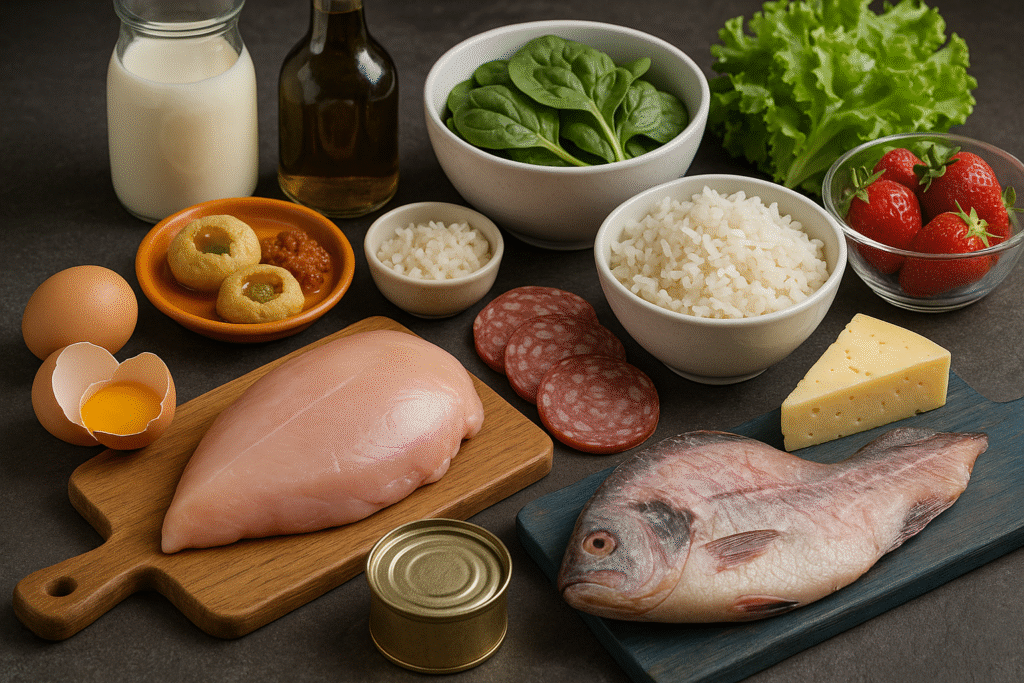
Everyday foods may cause food poisoning. Some of them—
1) Unpasteurized Milk—Raw Milk
May contain harmful bacteria like E. coli, Listeria & Salmonella if proper boiling is not done.
2) Undercooked Meat—Especially Chicken and Mutton—
Harbors Salmonella, Campylobacter, & other pathogens if not cooked properly.
3) Street Foods—Pani Puri, Chaat, etc.
Generally prepared in unhygienic conditions with contaminated food & water.
4) Leftover Cooked Rice
If it is kept at room temperature for a long time, it can grow Bacillus cereus, a toxin-producing
bacteria.
5) Leafy Greens—Like Lettuce, Coriander, and Spinach
Can be contaminated with bacteria or pesticides if not washed properly.
6) Package or Canned Foods Past Expiry
Can contain botulinum toxin if the seal is damaged or expired.
7) Raw Eggs
Lightly cooked eggs, high risk of Salmonella infection.
8) Seafood—fish, prawns, oysters
They spoil quickly under heat. Raw seafood may contain Vibrio or parasites.
9) Dairy Products—Cheese, Ice Cream, Cream
If stored improperly, leeks spoil fast & promote bacterial growth.
10) Unwashed Fruits—Cut or Pre-packaged
May contain dirt, pesticides, or fecal contamination.
Signs, Symptoms, and Complications
Symptoms can vary depending on the type of organism or toxin involved. Commonly appear within a few hours to days.
Common Symptoms
1) Nausea and Vomiting—most common.
2) Abdominal cramps/pain
3) Diarrhea—watery or sometimes bloody
4) Fatigue/Weakness
5) Headache
6) Loss of Appetite
Is this article helpful?
Complications
Most of the cases are mild to moderate and self-resolved. Young children, pregnant women, and immunocompromised people can lead to serious complications. These are
1) Dehydration—due to excessive vomiting & diarrhea.
2) Electrolyte imbalance.
3) Sepsis—a life-threatening, rare complication.
4) Reactive arthritis—Salmonella & Campylobacter.
5) Chronic GI disease.
When to Seek Medical Attention
1) High Fever (>101.5°F or 38.6°C)
2) Blood in stool or vomit.
3) Signs of Dehydration: dry mouth, reduced urination, and dizziness.
4) Symptoms last more than 2-3 days.
Download free pdf file
Helpful link: National Health Service (NHS UK) – Food Poisoning Overview
Prevention of Food Poisoning
1) Handwashing
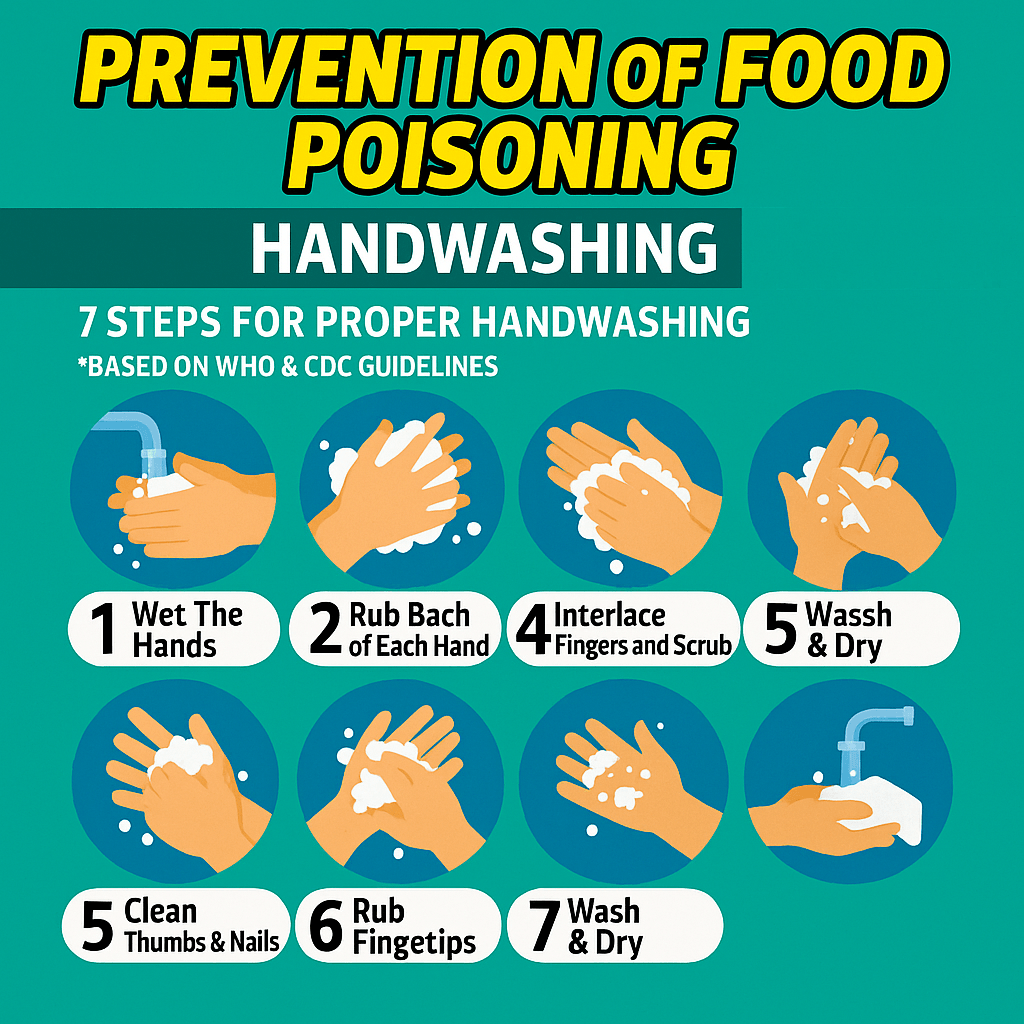
the most effective way to prevent food poisoning. 7 steps for proper handwashing…
According to WHO & CDC guidelines, each step takes 20 minutes.
1) Wet the hands with clean running water.
2) Rub palms together.
3) Rub the back of each hand.4) Interlace Fingers and Scrub
5) Clean Thumbs & Nails
6) Rub Fingertips
7) Wash & Dry
Note, if soap & water are not available, use sanitizer of 60% alcohol.
2) Hygiene and Handling
Wash your hands thoroughly before handling foods. Use a clean surface, clean knives, and clean utensils. Wash vegetables with clean running water.
3) Cooking and Storage
- Cook meat & seafood with proper internal temperature.
- Store cooked food in cold places/refrigerators.
- Avoid undercooked or raw milk, meat, or eggs.
4) Safe Consumption
1) Avoid street foods.
2) Check the expiry date on packaged food.
3) Drinks clean boiled water.
Management of Food Poisoning
1) Home Management
To prevent dehydration, take plenty of fluids or ORS (oral rehydration solution).
Avoid spicy food.
Eat light, bland foods.
2) Medical Management
- Seek medical help if symptoms persist beyond 2 days.
- Antibiotics may be needed in bacterial infections.
- IV fluids for severe cases.
- Hospitalization is needed in cases with complications (e.g., bloody diarrhea, high fever, shock).
Conclusion
Food poisoning is very common, rarely severe, so don’t panic. It is easily preventable by properly washing hands, maintaining safe hygiene, and proper food storage. Recognizing early symptoms & treating dehydration is the key. High-risk groups, especially children, need extra precautions.
Stay informed, eat safe & make smart food choices to protect health, wealth & well-being.
Q. Who is at higher risk of food poisoning?
Individuals at higher risk of food poisoning include young children, pregnant women, elderly adults, and individuals with weakened immune systems or chronic illnesses.
Q. How can I prevent food poisoning at home?
Wash hands before handling food
Cook meat and eggs thoroughly
Keep raw and cooked food separate
Store food at the right temperature
Drink clean, filtered water
Avoid expired and unlabeled packaged food
Q. Is Street food safe to eat?
Street food safety varies by location and vendor. To minimize risk, choose busy stalls with high turnover, ensure food is cooked thoroughly, and observe cleanliness practices. Avoid raw or undercooked items and drink bottled beverages.
Q. Can food poisoning be life-threatening?
Yes, especially for vulnerable individuals. Severe cases can lead to dehydration, organ failure, or even death if not treated properly.
Q. How long does food poisoning last?
Mild cases typically last from a few hours to 2 days. However, more serious infections can persist longer and may require medical treatment.

I’m Mehebub Alam Chowdhury, an M.Sc. Organic Chemistry student, and my mission with Decodepure is to simplify complex chemical ingredients in everyday products. With my knowledge of chemicals, I aim to help you make safer, healthier choices by breaking down product labels in an easy-to-understand way.






Another great informative article to read. ❤❤❤
Munna your advice is very important and useful, food poisoning has become a very common problem these days because of unhygienic and unhealthy food…. thank you for giving ur knowledge it’s very helpful for us…carry on brother 🙂!
Thank you bro 🙂