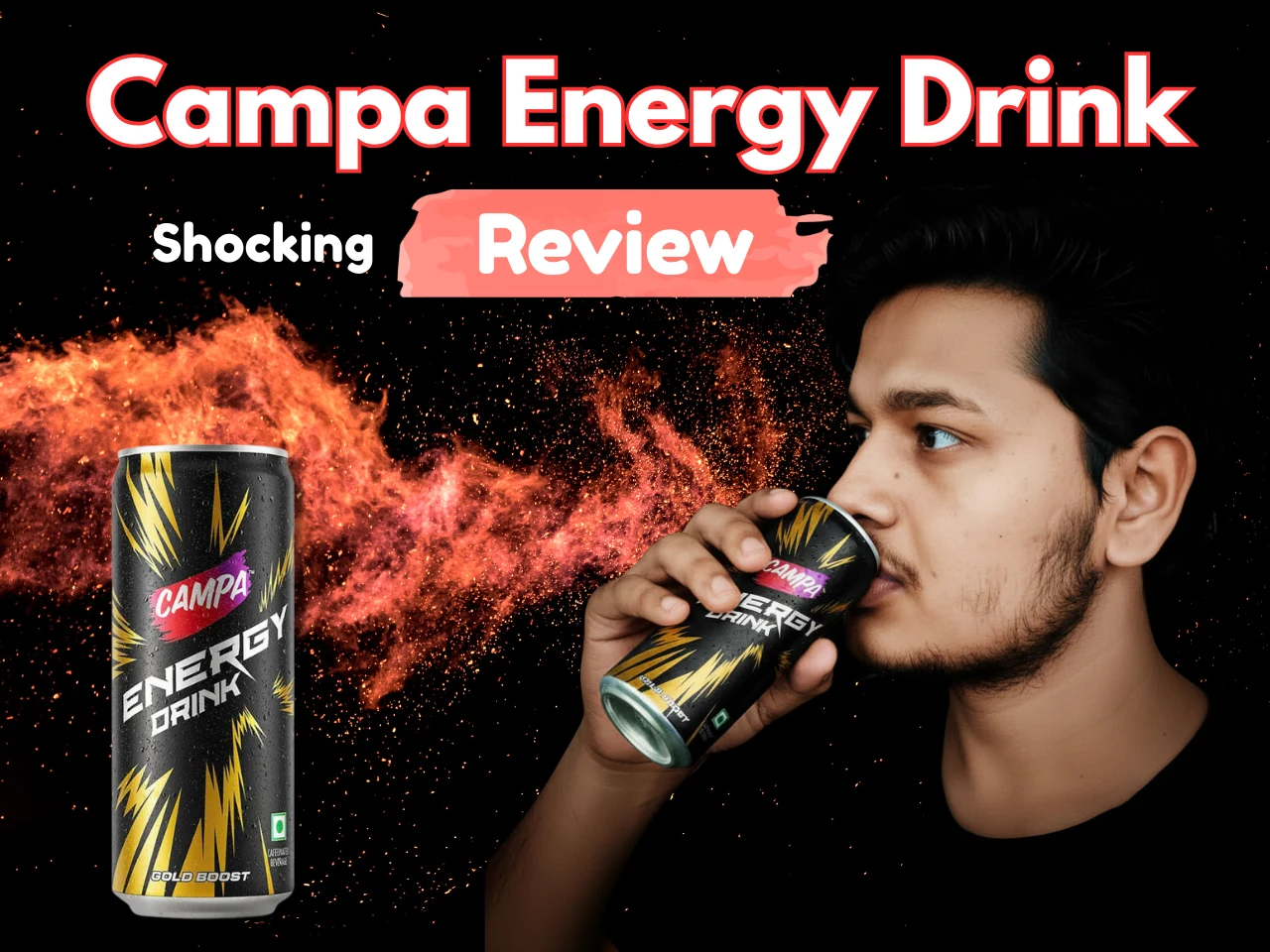
Campa, the nostalgic Indian drink brand, has launched its very own Campa Energy Drink, and it’s quickly making waves across India. From local shops to supermarkets, this eye-catching can is now everywhere—promising instant energy, bold flavor, and that “cool” boost everyone craves.
Especially among young Indians who grab them for a quick boost before exams, the gym, or late-night work.
Is it really giving you energy, or just tricking your body with sugar and caffeine? Let’s decode every ingredient and uncover the truth behind it.
Table of Contents
Nutritional Information (Per 200 ml Can)
- Energy: 94 kcal
- Sugar: 23.6 g (≈ 6 teaspoons!)
- Caffeine: 60 mg
- Taurine: 720 mg
- Sodium: 100 mg
- Vitamins: B2, B3, B5, B6, B12
At first glance, it’s low in fat and protein but loaded with sugar and stimulants.
Ingredient Analysis
Carbonated Water, Sugar, Acidity Regulators (330, 331), Taurine (360mg/100ml), Caffeine (30mg/100ml), Vitamins (Niacin, Pantothenic Acid, B6, B2, B12), Preservative (211), Color (150d), Natural & Nature-Identical Flavoring Substances (Mixed Berry)
1. Carbonated Water
Here applied Henry’s laws. Water that has been mixed with carbon dioxide gas under high pressure. When the bottle opens, the pressure drops and the dissolved carbon dioxide comes out as bubbles, which is why you see fizz and hear a hissing sound.
Plain carbonated water hydrates just like normal water. But when combined with acids like phosphoric acid or citric acid, this combination can increase enamel erosion, bloating, and gas-like problems.
- Carbonated water is used to add fizz.
- Generally, not harmful by itself but can lead to bloating or acidity in sensitive people.
2. Sugar (11.8 g/100 ml)
185 ml bottle – 11.8 × 1.85 = 21.83 gm
(≈ 5.45 teaspoons of sugar)
200 ml bottle – 11.8 × 2 = 23.6 gm (≈ 6 teaspoons of sugar).
Sugar is used for taste and preservation. The most dangerous ingredient is used in high amounts. ((WHO Guideline, 2015)
According to the American Heart Association, “Too much sugar is not sweet for your health.”
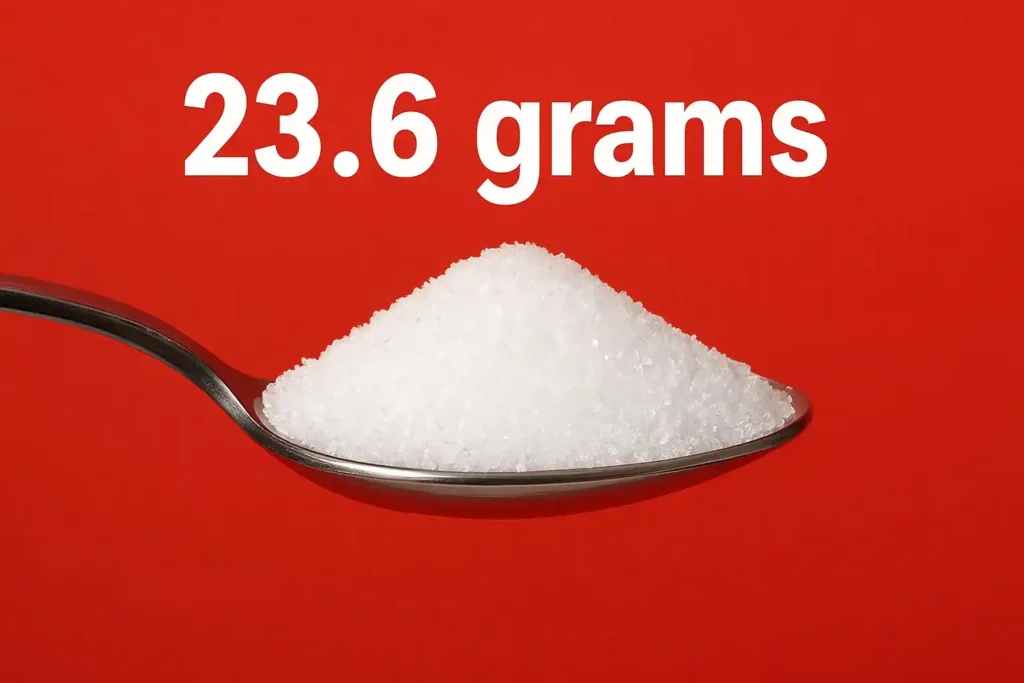
Long-term excessive sugar consumption can lead to weight gain, tooth decay, raised blood pressure and insulin levels, joint pain, skin aging, liver damage, type 2 diabetes, pancreatic breakdown, kidney failure, and increased heart attack risk.
3. Acidity Regulators (330, 331)
- 330 = Citric Acid – commonly found in lemon/lime. Harmless in small amounts.
- 331 = Sodium Citrates – used to control acidity.
- ✅ Safe in moderation
4. Taurine (360 mg / 100 ml → 666 mg per can)
Taurine is an amino acid naturally found in our body, especially in the brain and muscles, and in foods like meat and fish.
Energy drink companies market it as an “energy booster.”
Taurine itself is not harmful in moderate amounts; the combination of taurine, caffeine, and high sugar can stress the nervous system and create an artificial “energy rush.”
5. Caffeine (30 mg / 100 ml → 55.5 mg per can)
Safe caffeine intake for adults is up to 400 mg/day. This energy drink contains 30 mg per 100 ml, which means 185 ml can contain 55.5 mg of caffeine.
A can of Campa Energy Drink has about as much caffeine as a small cup of coffee.
- 1 cup of tea: ~30–50 mg
- 1 cup of coffee: ~80–100 mg
- Coca-Cola (330 ml): ~32 mg
- Pepsi (330 ml): ~38 mg
6. Vitamins (B3, B2, B5, B6, B12)
Campa Energy Drink contains several B vitamins:
- Vitamin B3 (Niacin): 4 mg per 100 ml
- Vitamin B6: 0.2 mg per 100 ml
- Vitamin B12: 0.27 mg per 100 ml
- Vitamin B2 (Riboflavin): Present, but amount not specified
- Pantothenic Acid (B5): 2 mg per 100 ml
Good for energy metabolism, but in Campa, these are just small amounts that don’t balance out the negatives (sugar + caffeine).
7. Preservative 211 (Sodium Benzoate)
Preservatives Sodium benzoate reacts with ascorbic acid (vitamin C) in the presence of heat and light and produces benzene gas, a well-known carcinogen.
Sodium Benzoate + Ascorbic Acid (Vitamin C) = Benzene (gas)
Excess sodium consumption can cause hypertension.
8. Color 150d (Sulfite Ammonia Caramel)
This is the colorant that gives Coca-Cola its dark brown color.
Heating sugar with ammonia and sulfites. The reaction produced dark pigments and 4-MEI (4-methyl imidazole) as a byproduct.
The International Agency for Research on Cancer (IARC) has classified 4-MEI as “possibly carcinogenic to humans.”
A tiny amount is not harmful, but regular intake can cause long-term health risks.
9. Natural & Nature-Identical Flavors (Mixed Berry)
These are chemical compounds made to mimic natural flavors.
Safe under FSSAI and FDA rules, but they add no nutritional value—just taste.
So, Is Campa Energy Drink Healthy?
Absolutely not. Here’s why:
- Extremely high added sugar—very bad.
- Contain Caramel-type color—(IARC) has classified 4-MEI as “possibly carcinogenic to humans.”
- Caffeine and taurine combos may stress the heart in sensitive people.
- No real nutrition (zero protein, zero fiber).
- Caffeine and additives like ingredients are very bad for children and pregnant women. Excess amounts can create serious issues.
Is this article helpful?
Should you drink it?
Campa Energy drink clearly mentioned—
CONTAINS CAFFEINEHIGH CAFFEINE: 60 mg/200 ml. NOT RECOMMENDED FOR CHILDREN, PREGNANT OR LACTATING WOMEN, OR PERSONS SENSITIVE TO CAFFEINE. CONSUME NOT MORE THAN 500 ML PER DAY. IMAGES SHOWN FOR REPRESENTATION PURPOSES ONLY.
CONTAINS ARTIFICIAL FLAVOR, NO FRUIT ADDED.^ MRP ₹10 incl. of all taxes for a 150 ml bottle.
Daily Consumption: Strongly discouraged ❌. If you are a healthy person with no heart, liver, or sleep-related issues, you can occasionally consume (once in a while, not daily).
Final Word
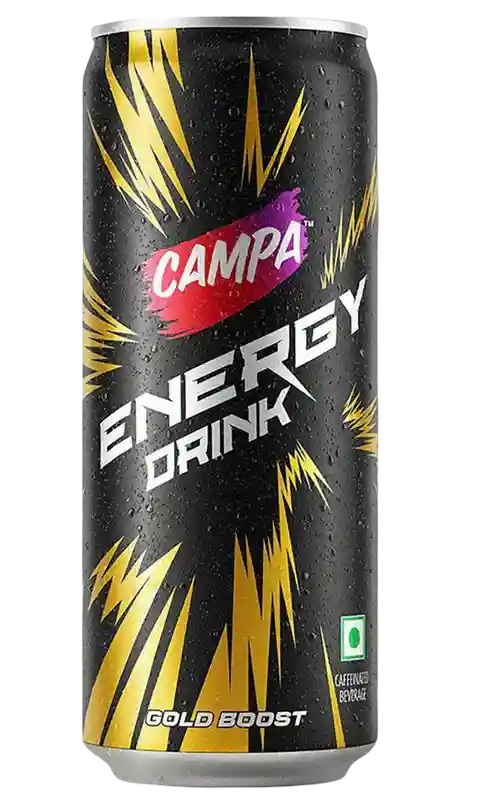
Campa Energy Drink gives you a quick energy “kick,” but it’s not real energy—it’s just sugar and caffeine. If you want long-lasting energy, natural foods and proper sleep will do far better than a can.
Cold energy drinks are very cheap and readily available in the market, but that comes at the cost of your health.
Q. What is Campa Energy Drink?
Campa Energy Drink is a carbonated caffeinated beverage launched by Campa under Reliance Consumer Products. It promises an instant energy boost through sugar, caffeine, taurine, and B-vitamins.
Q. What are the side effects of drinking energy drinks regularly?
Over time, high sugar and caffeine intake may cause obesity, anxiety, dehydration, sleep problems, and heart rhythm issues.
Q. What are healthier alternatives to Campa Energy Drink?
esh coconut water 🥥
Lemon honey water 🍋
Homemade fruit smoothies 🍓
Buttermilk or natural electrolyte drinks
These provide natural energy without harming your health.
Q. Does Campa Energy Drink actually give energy?
The “energy” comes from sugar and caffeine, not real nutrition. It gives a temporary alertness but soon leads to a crash, making you feel tired again.
Q. Is Campa Energy Drink healthy?
Not really. While it provides a temporary energy boost, it’s loaded with sugar and stimulants. Regular consumption may lead to weight gain, high blood pressure, and heart strain.

I’m Mehebub Alam Chowdhury, an M.Sc. Organic Chemistry student, and my mission with Decodepure is to simplify complex chemical ingredients in everyday products. With my knowledge of chemicals, I aim to help you make safer, healthier choices by breaking down product labels in an easy-to-understand way.